
News Categories
News Categories
Featured Articles
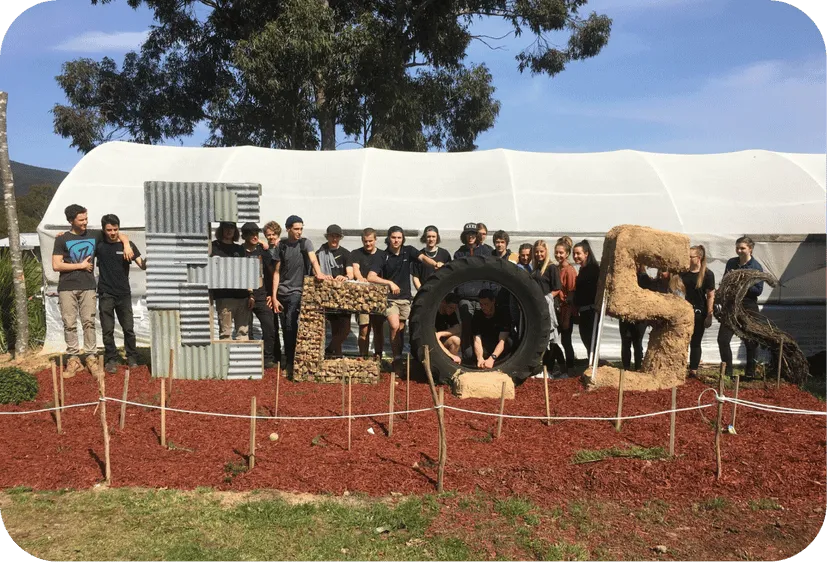
Rooted in Wisdom: Wilderness Arts College at Yarra Valley ECOSS
At Wilderness Arts College, we believe that true education begins with connection—connection to land, to culture, to community, and to the deeper rhythms of nature. That’s why we are so proud to call Yarra Valley ECOSS our home.
Continue Reading
Nestled in the heart of the Yarra Valley on the lands of the Wurundjeri people of the Kulin Nation, ECOSS is more than just a location—it’s a living classroom, a cultural meeting place, and a regenerative landscape shaped by both ancient knowledge and modern sustainability practices.
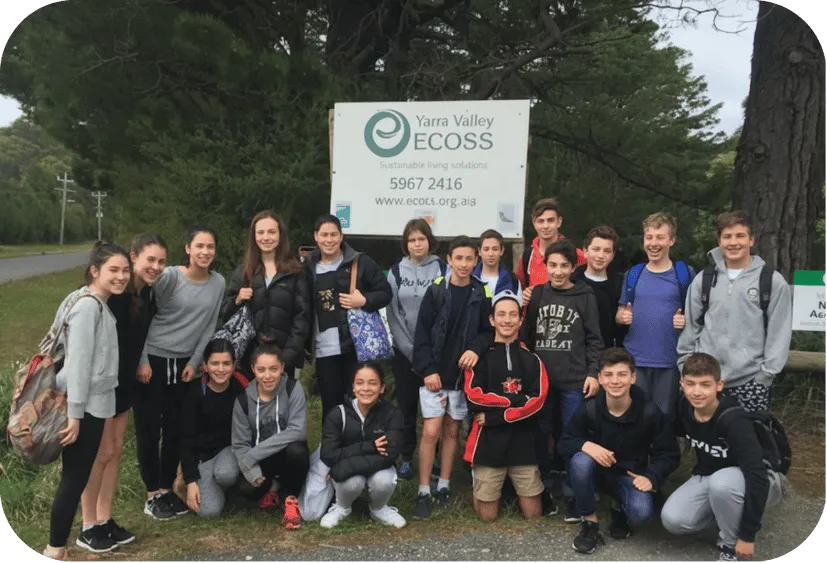
A Living Legacy: The History of Yarra Valley ECOSS
Yarra Valley ECOSS (Eastern Community Organic Sustainability Space) began with a vision: to create a community hub dedicated to sustainable living, ecological awareness, and cultural connection.
Continue Reading
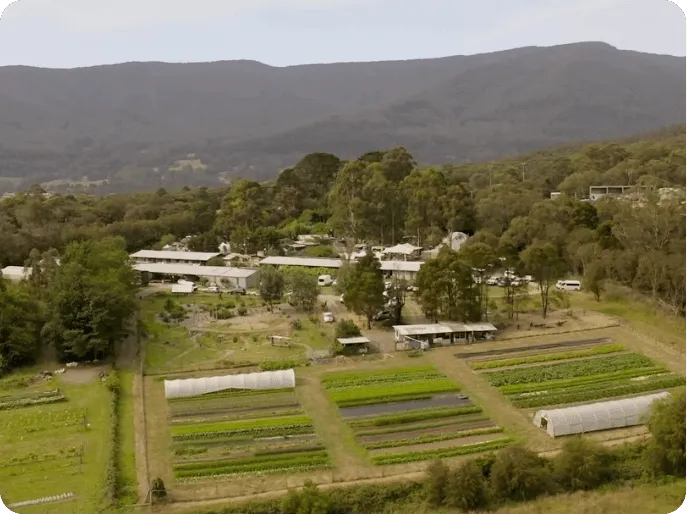
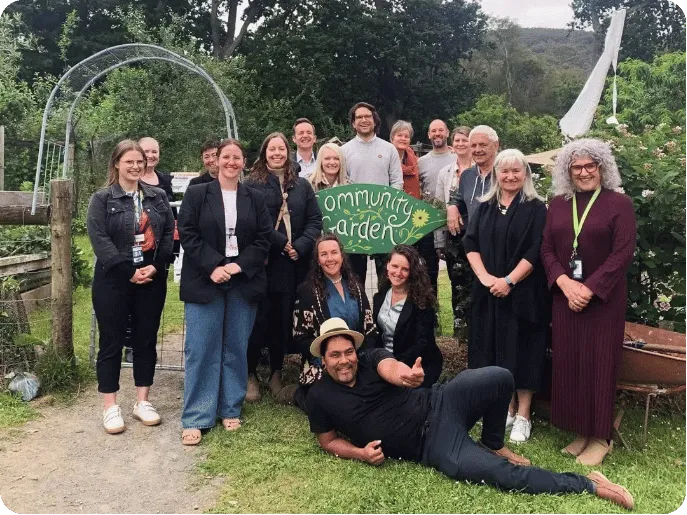
Located on a 17-acre former horticultural research site in Wesburn, the land was transformed by local visionaries, educators, farmers, artists, and Elders into a vibrant example of community-led ecological renewal.
From its earliest days, ECOSS was designed to honour the traditional custodians of the land and to blend Indigenous ecological knowledge with contemporary permaculture principles. Over the years, it has become a gathering place for Elders, educators, artists, growers, and changemakers—a crossroads where wisdom is shared and the soil becomes a vessel for storytelling, healing, and growth.
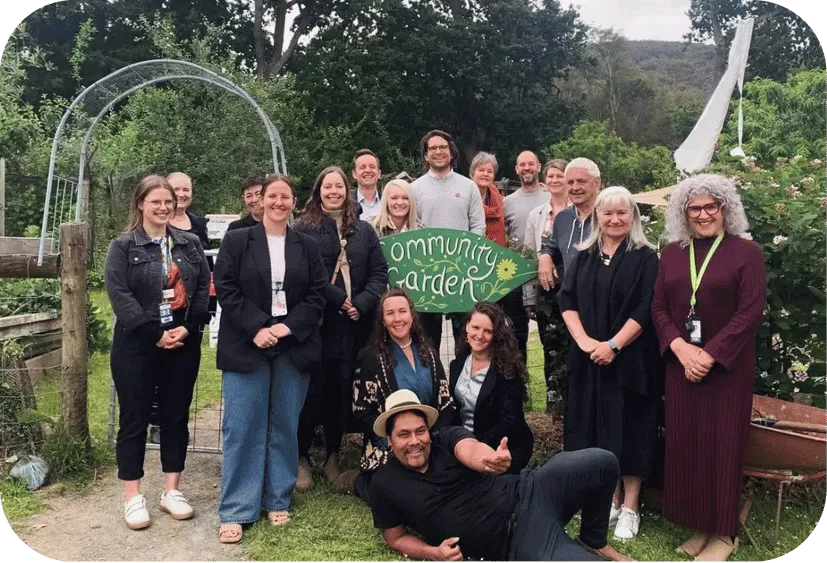
The Ground Speaks: A Place of Cultural and Ecological Significance
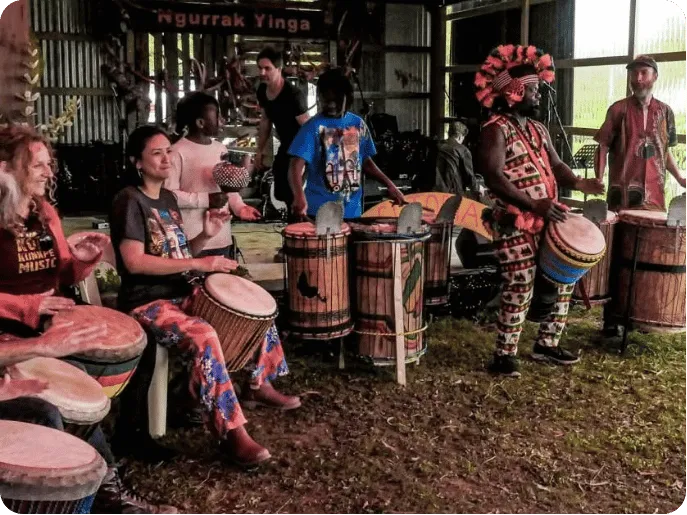
What makes ECOSS truly special is the deep relationship to Country that pulses through the land. This is a place where Wurundjeri Elders have walked, spoken, taught, and shared stories—offering their guidance to ensure that all who work here do so in a way that respects and uplifts the land and its First Peoples.
Continue Reading
The very soil beneath our feet carries the memory of millennia of care, ceremony, and cultivation. For students of Wilderness Arts College, learning here means learning with Country, not just about it. It’s a rare privilege to study on land that is both fertile in food and rich in cultural heritage.
Featured Articles
Rooted in Wisdom: Wilderness Arts College at Yarra Valley ECOSS
At Wilderness Arts College, we believe that true education begins with connection—connection to land, to culture, to community, and to the deeper rhythms of nature. That’s why we are so proud to call Yarra Valley ECOSS our home.
Continue Reading
Nestled in the heart of the Yarra Valley on the lands of the Wurundjeri people of the Kulin Nation, ECOSS is more than just a location—it’s a living classroom, a cultural meeting place, and a regenerative landscape shaped by both ancient knowledge and modern sustainability practices.
A Living Legacy: The History of Yarra Valley ECOSS
Yarra Valley ECOSS (Eastern Community Organic Sustainability Space) began with a vision: to create a community hub dedicated to sustainable living, ecological awareness, and cultural connection.
Continue Reading
Located on a 17-acre former horticultural research site in Wesburn, the land was transformed by local visionaries, educators, farmers, artists, and Elders into a vibrant example of community-led ecological renewal.
From its earliest days, ECOSS was designed to honour the traditional custodians of the land and to blend Indigenous ecological knowledge with contemporary permaculture principles. Over the years, it has become a gathering place for Elders, educators, artists, growers, and changemakers—a crossroads where wisdom is shared and the soil becomes a vessel for storytelling, healing, and growth.
The Ground Speaks: A Place of Cultural and Ecological Significance
What makes ECOSS truly special is the deep relationship to Country that pulses through the land. This is a place where Wurundjeri Elders have walked, spoken, taught, and shared stories—offering their guidance to ensure that all who work here do so in a way that respects and uplifts the land and its First Peoples.
Continue Reading
The very soil beneath our feet carries the memory of millennia of care, ceremony, and cultivation. For students of Wilderness Arts College, learning here means learning with Country, not just about it. It’s a rare privilege to study on land that is both fertile in food and rich in cultural heritage.
The Origin Story of
Wilderness Arts College
The Return of the Wild Ones: A Myth of the Birth of Wilderness Arts College
Once upon a time—not too long ago and not too far away—there was a little town tucked deep in a valley, surrounded by wild hills and quiet rivers that still remembered the old songs of the land.
Continue Reading
In this town, something curious had been happening for generations.
When children reached a certain age—not quite adults but no longer small—they were sent away to a great, grey factory. The townspeople called it “The School of Becoming Adults.” It was where teenagers were taught how to fit in, how to wear the same uniforms, follow instructions, obey the bells and alarms, and prepare for a life of doing what they were told by unseen bosses. Day after day, they walked in lines. They memorized facts but forgot how to dream. They learned how to sit still, but not how to listen to the wind.
Some called this education.
But something was missing. You could feel it in the silence of the hills.
The Arrival of the Wizard
One misty morning, just as the valley was waking and the dew still clung to the spider webs, a wizard appeared at the edge of town.
Continue Reading
No one had seen him arrive. He wore a long cloak made of stitched leaves and bird feathers. His eyes sparkled like firelight. He carried no staff, only a satchel of seeds and a walking stick made from old river gum.
He asked the townspeople, “Where are your visionaries? Where are the young ones who think differently than those before them—the ones meant to invent new worlds, the ones whose spirits are too wild to be tamed by bells and uniforms?”
The townspeople looked puzzled. Some looked away.
“We send them to the School,” they said. “It teaches them how to become adults, how to fit into the world. It keeps them safe.”
The wizard knelt to the earth and listened.
Then he stood and said, “But you have forgotten the art of initiation. You have forgotten how to guide your young ones through the sacred fire of becoming—not into machines, but into makers, artists, leaders, and keepers of truth.”
A great hush fell over the town.
One elder spoke: “Long ago, our ancestors knew the ways. The land taught them. The trees, the animals, the stars, and the rivers. The youth would go to the wild, face challenge, earn their place, and return with wisdom. But that was before… before the fracture. Before we lost connection to the land, to ourselves, to each other.”
The Birth of the Wilderness Arts College
The wizard nodded. “Then it is time to remember.”
And so, in a hidden pocket of the valley—where the bush still hummed with ancient life—the wizard began something new, or perhaps something very, very old.
Continue Reading
He gathered the teenagers—not all of them, just the ones who could still hear the whisper of the trees, or feel the pull of something greater.
Together, they built a school not of walls, but of trails and fire circles, of treehouses and river stones. They learned from animals and weather, elders and earth. They woke with the sun, sang with the wind, and crafted tools with their own hands. They studied plants, practiced movement, watched the stars, told stories, and listened—really listened—to the wild within and around them.
They wore what made them feel strong, creative, and whole. They didn’t compete. They didn’t conform. They created. They collaborated. They remembered.
And over time, they transformed.
These teenagers didn’t just “grow up.” They grew in—to their power, their presence, their gifts. They began to walk differently. Speak differently. They became radiant with something ancient and true: the fire of self-knowing, the confidence of earth wisdom, the clarity of purpose.
The town began to change too.
Parents wept, not out of fear, but from the beauty of what they saw in their children: freedom, aliveness, vision.
A Living Myth, Still Unfolding
That school still exists today. You might know it by another name:
Continue Reading
Wilderness Arts College.
It is not just a school—it is a sanctuary, a forge, a tribe, a return.
A place where young people are not sent away to be shaped by machines—but invited in to be shaped by the wild wisdom of nature, of community, of ancestors, and of their own beating hearts.
And perhaps, if you listen closely—on the wind, in the rustling leaves, or the echo of a drum—you might still hear the voice of the wizard, smiling:
“The world doesn’t need more identical adults.
The world needs initiated beings—wild, wise, awake, and ready.”
The Origin Story of
Wilderness Arts College
The Return of the Wild Ones: A Myth of the Birth of Wilderness Arts College
Once upon a time—not too long ago and not too far away—there was a little town tucked deep in a valley, surrounded by wild hills and quiet rivers that still remembered the old songs of the land.
Continue Reading
In this town, something curious had been happening for generations.
When children reached a certain age—not quite adults but no longer small—they were sent away to a great, grey factory. The townspeople called it “The School of Becoming Adults.” It was where teenagers were taught how to fit in, how to wear the same uniforms, follow instructions, obey the bells and alarms, and prepare for a life of doing what they were told by unseen bosses. Day after day, they walked in lines. They memorized facts but forgot how to dream. They learned how to sit still, but not how to listen to the wind.
Some called this education.
But something was missing. You could feel it in the silence of the hills.
The Arrival of the Wizard
One misty morning, just as the valley was waking and the dew still clung to the spider webs, a wizard appeared at the edge of town.
Continue Reading
No one had seen him arrive. He wore a long cloak made of stitched leaves and bird feathers. His eyes sparkled like firelight. He carried no staff, only a satchel of seeds and a walking stick made from old river gum.
He asked the townspeople, “Where are your visionaries? Where are the young ones who think differently than those before them—the ones meant to invent new worlds, the ones whose spirits are too wild to be tamed by bells and uniforms?”
The townspeople looked puzzled. Some looked away.
“We send them to the School,” they said. “It teaches them how to become adults, how to fit into the world. It keeps them safe.”
The wizard knelt to the earth and listened.
Then he stood and said, “But you have forgotten the art of initiation. You have forgotten how to guide your young ones through the sacred fire of becoming—not into machines, but into makers, artists, leaders, and keepers of truth.”
A great hush fell over the town.
One elder spoke: “Long ago, our ancestors knew the ways. The land taught them. The trees, the animals, the stars, and the rivers. The youth would go to the wild, face challenge, earn their place, and return with wisdom. But that was before… before the fracture. Before we lost connection to the land, to ourselves, to each other.”
The Birth of the Wilderness Arts College
The wizard nodded. “Then it is time to remember.”
And so, in a hidden pocket of the valley—where the bush still hummed with ancient life—the wizard began something new, or perhaps something very, very old.
Continue Reading
He gathered the teenagers—not all of them, just the ones who could still hear the whisper of the trees, or feel the pull of something greater.
Together, they built a school not of walls, but of trails and fire circles, of treehouses and river stones. They learned from animals and weather, elders and earth. They woke with the sun, sang with the wind, and crafted tools with their own hands. They studied plants, practiced movement, watched the stars, told stories, and listened—really listened—to the wild within and around them.
They wore what made them feel strong, creative, and whole. They didn’t compete. They didn’t conform. They created. They collaborated. They remembered.
And over time, they transformed.
These teenagers didn’t just “grow up.” They grew in—to their power, their presence, their gifts. They began to walk differently. Speak differently. They became radiant with something ancient and true: the fire of self-knowing, the confidence of earth wisdom, the clarity of purpose.
The town began to change too.
Parents wept, not out of fear, but from the beauty of what they saw in their children: freedom, aliveness, vision.
A Living Myth, Still Unfolding
That school still exists today. You might know it by another name:
Continue Reading
Wilderness Arts College.
It is not just a school—it is a sanctuary, a forge, a tribe, a return.
A place where young people are not sent away to be shaped by machines—but invited in to be shaped by the wild wisdom of nature, of community, of ancestors, and of their own beating hearts.
And perhaps, if you listen closely—on the wind, in the rustling leaves, or the echo of a drum—you might still hear the voice of the wizard, smiling:
“The world doesn’t need more identical adults.
The world needs initiated beings—wild, wise, awake, and ready.”
Wilderness Arts College
5-Year Growth Plan (2027–2033)
Rooted in Country. Guided by Elders. Growing with Vision.

Our Vision
Wilderness Arts College exists to awaken the unique gifts of young people through nature-based education, rites of passage, and real-world learning.
We are growing a school that nurtures thinkers, creators, leaders, and caretakers of the Earth starting from the ground up, together.

Our Growth Journey
From 2027–2033, Wilderness Arts College will expand steadily by one year at a time, beginning with Year 7 enrolments in 2027.
Each year we will welcome a new cohort while deepening and refining our approach.
The school will be based at Yarra Valley ECOSS for the first five years, while we build finances, curriculum, community, and capacity.
This staged approach ensures strong foundations, cultural integrity, and quality of care.
Year 1 (2027)
Starting the Journey
Who We Enrol
Year 7 students only
Around 12 to 20 students
Where We Are Based
Yarra Valley ECOSS (our first campus)
What This Year Focuses On
Building a strong team of facilitators, Elders, and mentors
Creating the Year 7 learning program using nature, arts, and rites of passage
Teaching through hands-on learning like farming, permaculture, craft, storytelling, and eco-literacy
Hosting community events and parent gatherings
Beginning fundraising and searching for land for a future permanent campus

Year 2 (2028)
Growing into Year 8
Who We Enrol
Year 7 and Year 8 students
What This Year Focuses On
Strengthening wilderness skills and social-emotional learning for growing teens
Introducing student-led projects and practical business skills
Building partnerships with local artists, farmers, and educators
Continuing to work closely with Elders to honour Indigenous knowledge and Country
Starting wilderness journeys and annual initiation experiences

Year 3 (2029)
Developing Leadership and Direction
Who We Enrol
Years 7 to 9 students
What This Year Focuses On
Deeper project-based learning and advanced skill development
Encouraging independence, leadership, and teamwork
Blending traditional knowledge with modern learning approaches
Expanding volunteer roles, internships, and community learning
Growing fundraising efforts and beginning early designs for a future campus

Year 2 (2028)
Preparing Pathways for the Future
Who We Enrol
Years 7 to 10 students
What This Year Focuses On
Offering practical certifications such as permaculture, first aid, and youth wellbeing
Exploring senior school pathways such as VET, VCAL, or alternative learning models
Planning the move to a permanent campus
Supporting student leadership across the school and community
Hosting the first Festival of Initiation to celebrate student learning and growth

Year 5 (2031)
Entering Senior Learning
Who We Enrol
Years 7 to 11 students
What This Year Focuses On
Launching the first senior program focused on hands-on, real-world learning
Expanding pathways in arts, agriculture, entrepreneurship, and ecological leadership
Finalising land purchase or long-term lease for the permanent campus
Designing buildings and learning spaces together with the community
Strengthening governance, staff development, and alumni connections
Beyond 2031
A Complete Year 7–12 School
What Happens Next
In 2032, the first Year 12 students begin
By 2033, the school completes its first full journey from Year 7 to Year 12
Our Long-Term Vision
A regenerative campus designed specifically for learning with nature
Natural buildings and outdoor learning spaces
Gardens, workshops, studios, ceremonial areas, and accommodation for visiting Elders and teachers
Wilderness Arts College
5-Year Growth Plan (2027–2033)
Rooted in Country. Guided by Elders. Growing with Vision.
Our Vision
Wilderness Arts College exists to awaken the unique gifts of young people through nature-based education, rites of passage, and real-world learning.
We are growing a school that nurtures thinkers, creators, leaders, and caretakers of the Earth starting from the ground up, together.
Our Growth Journey
From 2027–2033, Wilderness Arts College will expand steadily by one year at a time, beginning with Year 7 enrolments in 2027.
Each year we will welcome a new cohort while deepening and refining our approach.
The school will be based at Yarra Valley ECOSS for the first five years, while we build finances, curriculum, community, and capacity.
This staged approach ensures strong foundations, cultural integrity, and quality of care.
Year 1 (2027)
Starting the Journey
Who We Enrol
Year 7 students only
Around 12 to 20 students
Where We Are Based
Yarra Valley ECOSS (our first campus)
What This Year Focuses On
Building a strong team of facilitators, Elders, and mentors
Creating the Year 7 learning program using nature, arts, and rites of passage
Teaching through hands-on learning like farming, permaculture, craft, storytelling, and eco-literacy
Hosting community events and parent gatherings
Beginning fundraising and searching for land for a future permanent campus
Year 2 (2028)
Growing into Year 8
Who We Enrol
Year 7 and Year 8 students
What This Year Focuses On
Strengthening wilderness skills and social-emotional learning for growing teens
Introducing student-led projects and practical business skills
Building partnerships with local artists, farmers, and educators
Continuing to work closely with Elders to honour Indigenous knowledge and Country
Starting wilderness journeys and annual initiation experiences
Year 3 (2029)
Developing Leadership and Direction
Who We Enrol
Years 7 to 9 students
What This Year Focuses On
Deeper project-based learning and advanced skill development
Encouraging independence, leadership, and teamwork
Blending traditional knowledge with modern learning approaches
Expanding volunteer roles, internships, and community learning
Growing fundraising efforts and beginning early designs for a future campus
Year 2 (2028)
Preparing Pathways for the Future
Who We Enrol
Years 7 to 10 students
What This Year Focuses On
Offering practical certifications such as permaculture, first aid, and youth wellbeing
Exploring senior school pathways such as VET, VCAL, or alternative learning models
Planning the move to a permanent campus
Supporting student leadership across the school and community
Hosting the first Festival of Initiation to celebrate student learning and growth
Year 5 (2031)
Entering Senior Learning
Who We Enrol
Years 7 to 11 students
What This Year Focuses On
Launching the first senior program focused on hands-on, real-world learning
Expanding pathways in arts, agriculture, entrepreneurship, and ecological leadership
Finalising land purchase or long-term lease for the permanent campus
Designing buildings and learning spaces together with the community
Strengthening governance, staff development, and alumni connections
Beyond 2031
A Complete Year 7–12 School
What Happens Next
In 2032, the first Year 12 students begin
By 2033, the school completes its first full journey from Year 7 to Year 12
Our Long-Term Vision
A regenerative campus designed specifically for learning with nature
Natural buildings and outdoor learning spaces
Gardens, workshops, studios, ceremonial areas, and accommodation for visiting Elders and teachers
Core Pillars That Guide Every Stage of Learning
Connection to Country
Honouring Wurundjeri Country and learning in respectful relationship with Indigenous Elders and knowledge holders. Students are guided to understand Country as teacher, ancestor, and living presence.

Initiation and Rites of Passage
Each year includes meaningful rites of passage that mark personal growth, responsibility, and belonging. These moments honour the transition from one stage of life to the next within a supportive community.
Nature-Based Learning
Learning takes place outdoors every day through direct engagement with nature. Students develop ecological literacy through permaculture, animal care, bushcraft, land stewardship, and hands-on learning.

Creativity and Self Expression
Creativity is central to learning. Students explore arts, music, storytelling, movement, and self-directed projects as ways to express identity, emotion, and ideas.

Community and Collaboration
Learning happens together. The school nurtures strong relationships through multi-generational learning, parent circles, youth-led enterprises, and partnerships with the local community.

Purpose and Pathways
Each student is supported to discover their unique strengths, interests, and calling. Learning pathways are designed to help young people grow into confident, capable individuals with a sense of purpose.
Core Pillars That Guide Every Stage of Learning
Connection to Country
Honouring Wurundjeri Country and learning in respectful relationship with Indigenous Elders and knowledge holders. Students are guided to understand Country as teacher, ancestor, and living presence.
Initiation and Rites of Passage
Each year includes meaningful rites of passage that mark personal growth, responsibility, and belonging. These moments honour the transition from one stage of life to the next within a supportive community.
Nature-Based Learning
Learning takes place outdoors every day through direct engagement with nature. Students develop ecological literacy through permaculture, animal care, bushcraft, land stewardship, and hands-on learning.
Creativity and Self Expression
Creativity is central to learning. Students explore arts, music, storytelling, movement, and self-directed projects as ways to express identity, emotion, and ideas.
Community and Collaboration
Learning happens together. The school nurtures strong relationships through multi-generational learning, parent circles, youth-led enterprises, and partnerships with the local community.
Purpose and Pathways
Each student is supported to discover their unique strengths, interests, and calling. Learning pathways are designed to help young people grow into confident, capable individuals with a sense of purpose.
A Student’s Experience

My name is Penelope, and being a student at Wilderness Arts College this year has been one of the most peaceful and inspiring experiences of my life.
What I’ve loved the most is spending time in the clay studio. It feels like stepping into a quiet world where I can shape whatever I’m feeling into something real with my hands. There is something grounding about working with earth, and I always leave feeling calm and proud of what I’ve made.
I’ve also really enjoyed learning alongside the animals. They make every day more fun and full of surprises. Whether it’s feeding the chickens, watching the goats play, or listening to the birds while we work outside, it reminds me that learning doesn’t only happen in a classroom. It happens all around us.
— Penelope, Student
A Student’s Experience
My name is Penelope, and being a student at Wilderness Arts College this year has been one of the most peaceful and inspiring experiences of my life.
What I’ve loved the most is spending time in the clay studio. It feels like stepping into a quiet world where I can shape whatever I’m feeling into something real with my hands. There is something grounding about working with earth, and I always leave feeling calm and proud of what I’ve made.
I’ve also really enjoyed learning alongside the animals. They make every day more fun and full of surprises. Whether it’s feeding the chickens, watching the goats play, or listening to the birds while we work outside, it reminds me that learning doesn’t only happen in a classroom. It happens all around us.
— Penelope, Student
A Journey of Becoming
The journey of Wilderness Arts College is not a sprint.
It is a ceremony of unfolding.
With care, clarity, and deep community roots, we are planting the seeds of a new kind of education.
One that does not simply teach young people what to learn, but helps them remember who they are.
With ECOSS as our first fertile ground, and with the support of Elders, artists, farmers, facilitators, and families, we are creating something truly generational.
We are not building just a school.
We are growing a movement of return to wisdom, nature, and purpose.
A Journey of Becoming
The journey of Wilderness Arts College is not a sprint.
It is a ceremony of unfolding.
With care, clarity, and deep community roots, we are planting the seeds of a new kind of education.
One that does not simply teach young people what to learn, but helps them remember who they are.
With ECOSS as our first fertile ground, and with the support of Elders, artists, farmers, facilitators, and families, we are creating something truly generational.
We are not building just a school.
We are growing a movement of return to wisdom, nature, and purpose.
Stay Connected to Wilderness Arts College
Subscribe to our Mailing List
Stories from our campus, insights on nature-based education, and updates on upcoming tours and events delivered to families seeking a different path for their teens.
MENU
Wilderness Arts College, a nature-based alternative school in the Yarra Valley for teens in Years 7–10. Real-world learning, wilderness skills, farm production and arts on 100 stunning acres.
© 2026 Wilderness Arts College. All Rights Reserved.
Stay Connected to Wilderness Arts College
Subscribe to our Mailing List
Stories from our campus, insights on nature-based education, and updates on upcoming tours and events delivered to families seeking a different path for their teens.

Wilderness Arts College, a nature-based alternative school in the Yarra Valley for teens in Years 7–10. Real-world learning, wilderness skills, farm production and arts on 100 stunning acres.
MENU
SUPPORT
POLICIES
FOLLOW US


© 2026 Wilderness Arts College. All Rights Reserved.